
Blacklist: The Hollywood Red Scare
Explore the history and impact of the Hollywood Red Scare and its contemporary implications for civil liberties, propaganda, and shifting definitions of American patriotism.
In October 1947, the House Un-American Activities Committee called on Hollywood figures to testify about allegations of Communist propaganda in American films. Although the committee never found evidence of this, the film industry responded by becoming the first mass employer to adopt a blacklist against employees whose political beliefs ran counter to prevailing ideals.
Blacklist: The Hollywood Red Scare shines a spotlight on the proceedings, investigations, motives, and choices of those caught in the crosshairs—including the many Jewish creatives and executives who suffered under and enforced the blacklist. The result is an emotionally complex and compelling exhibition that demonstrates how the politics of Hollywood can shape the entire country. Blacklist: The Hollywood Red Scare, an original exhibit created by and on loan from Jewish Museum Milwaukee.
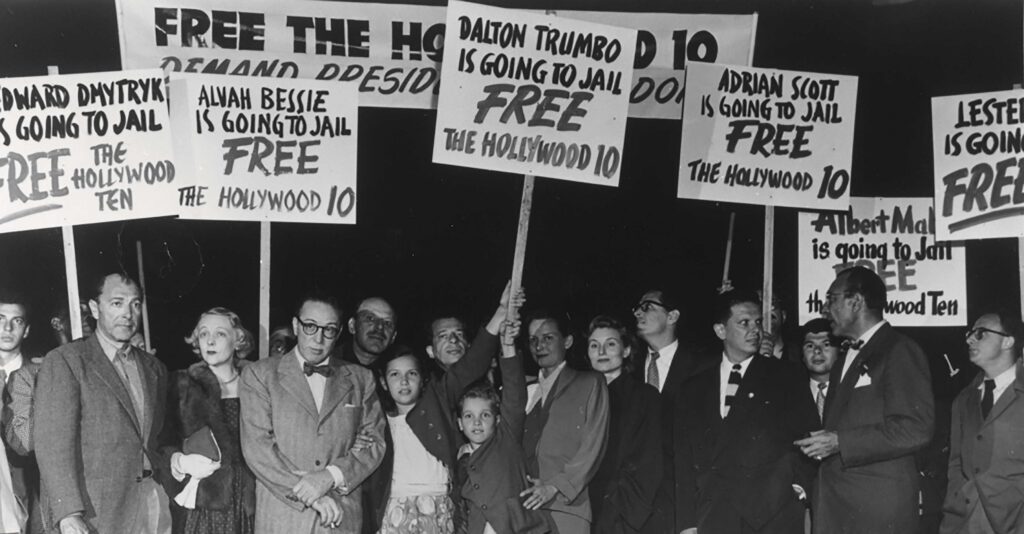
Rally for the Hollywood Ten, featuring the Ten and their families, 1950. Courtesy of the Wisconsin Center for Film and Theater Research.
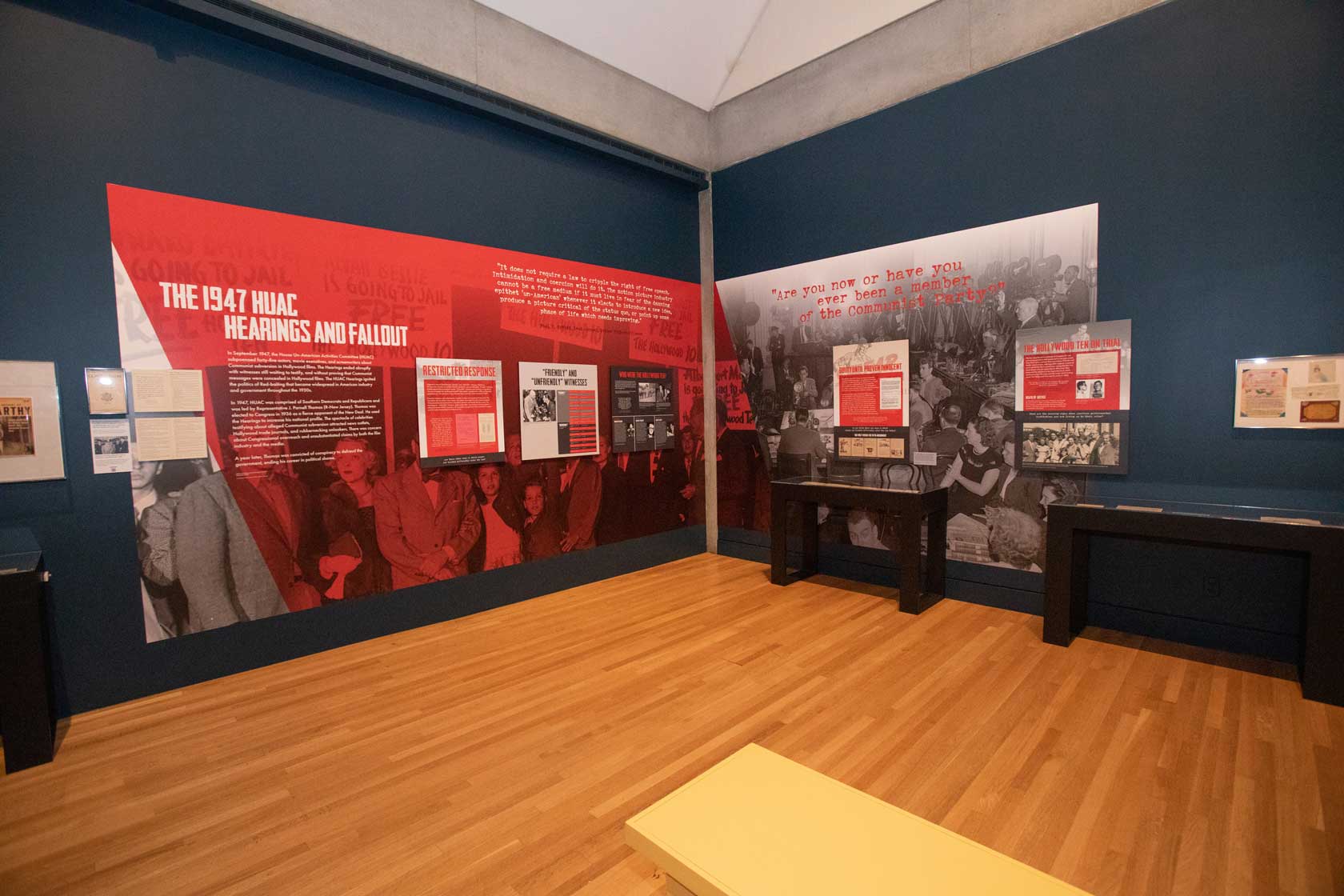
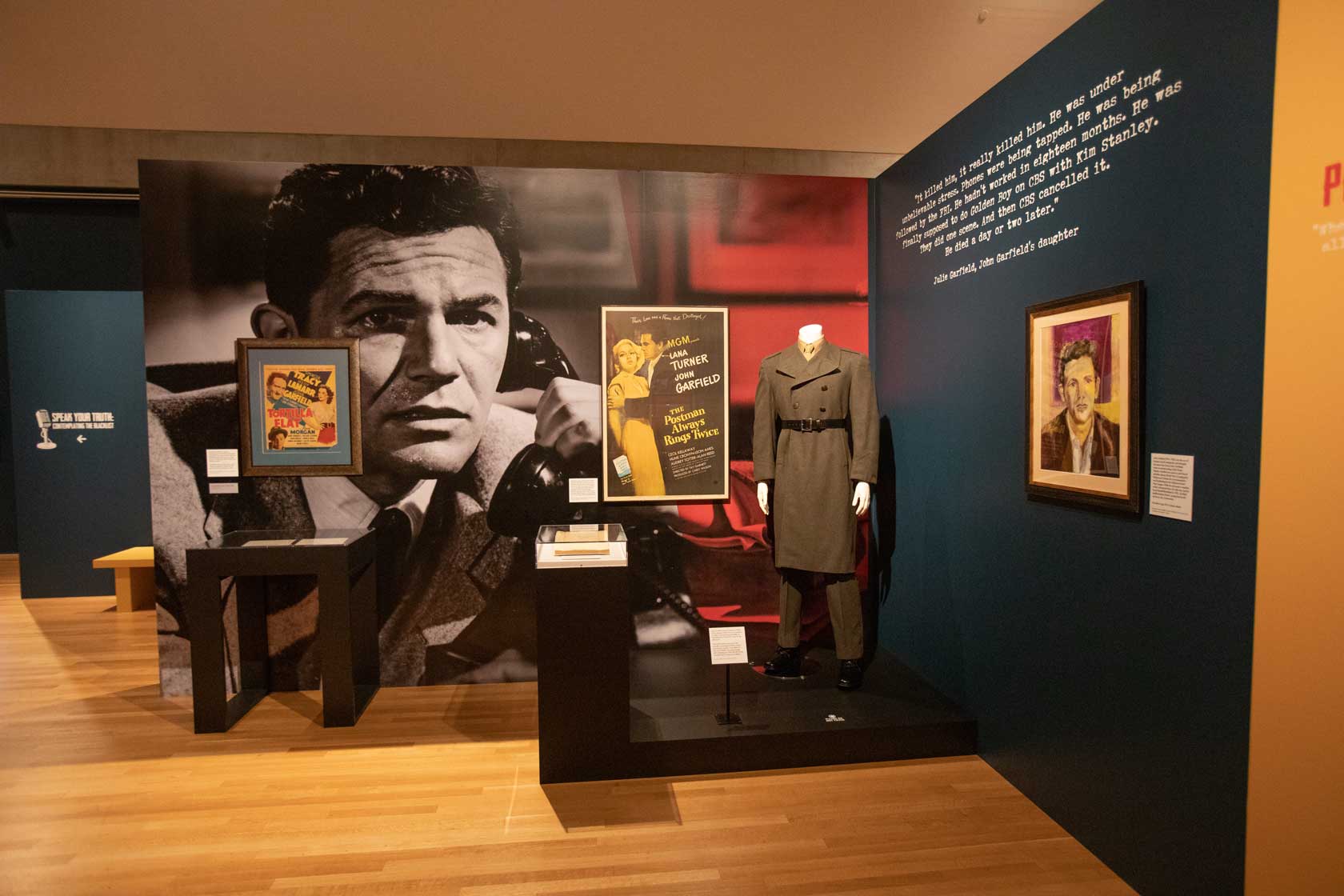
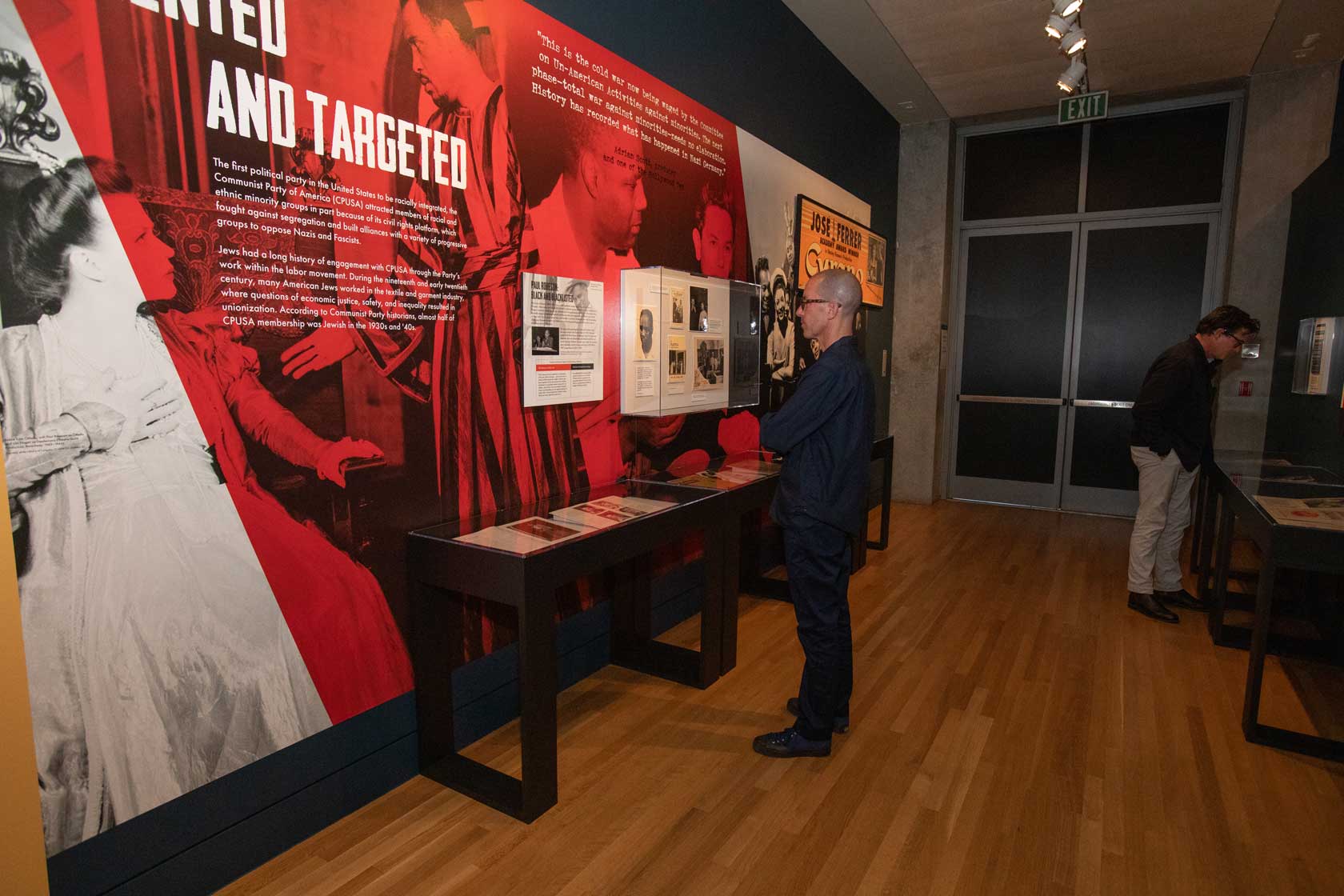
Photos by Chris Hatcher, Courtesy of Skirball Cultural Center
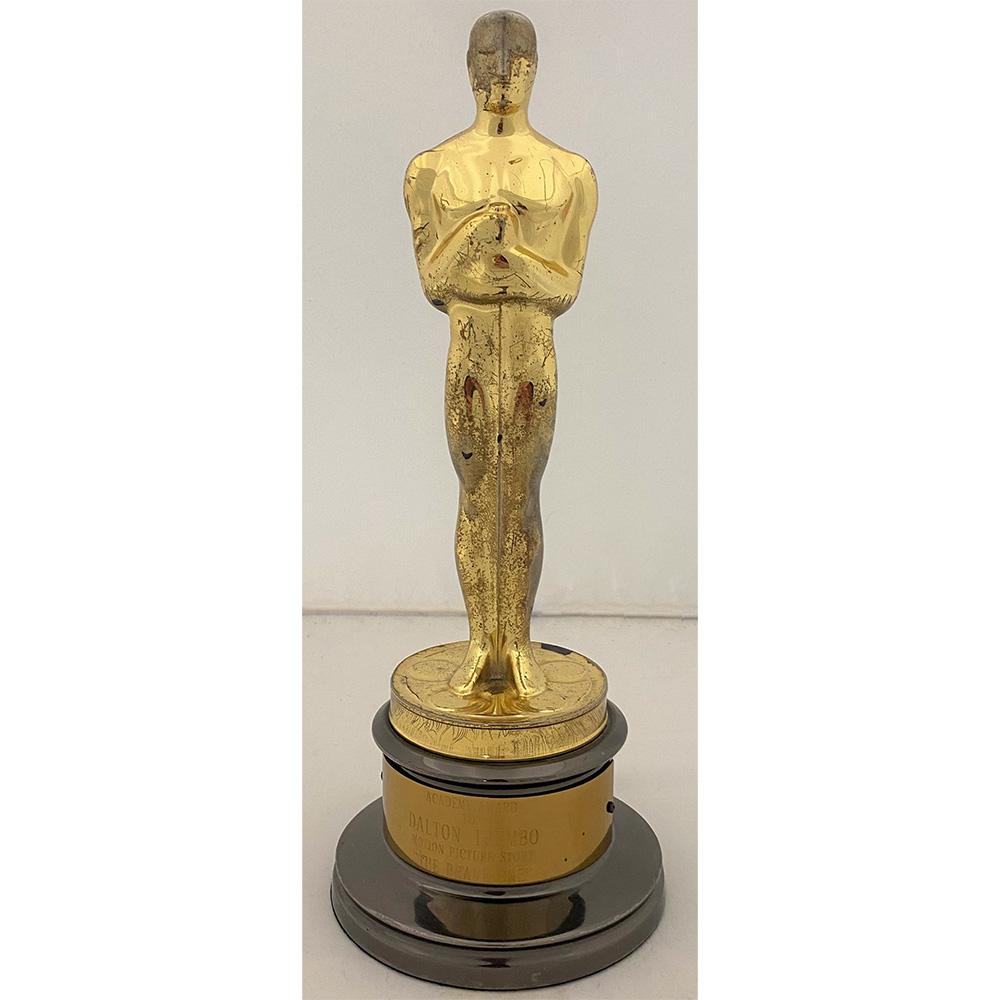
Dalton Trumbo Best Original Story, The Brave One awarded to the fictious Robert Rich (1956), Courtesy of Molly Trumbo Gringas.
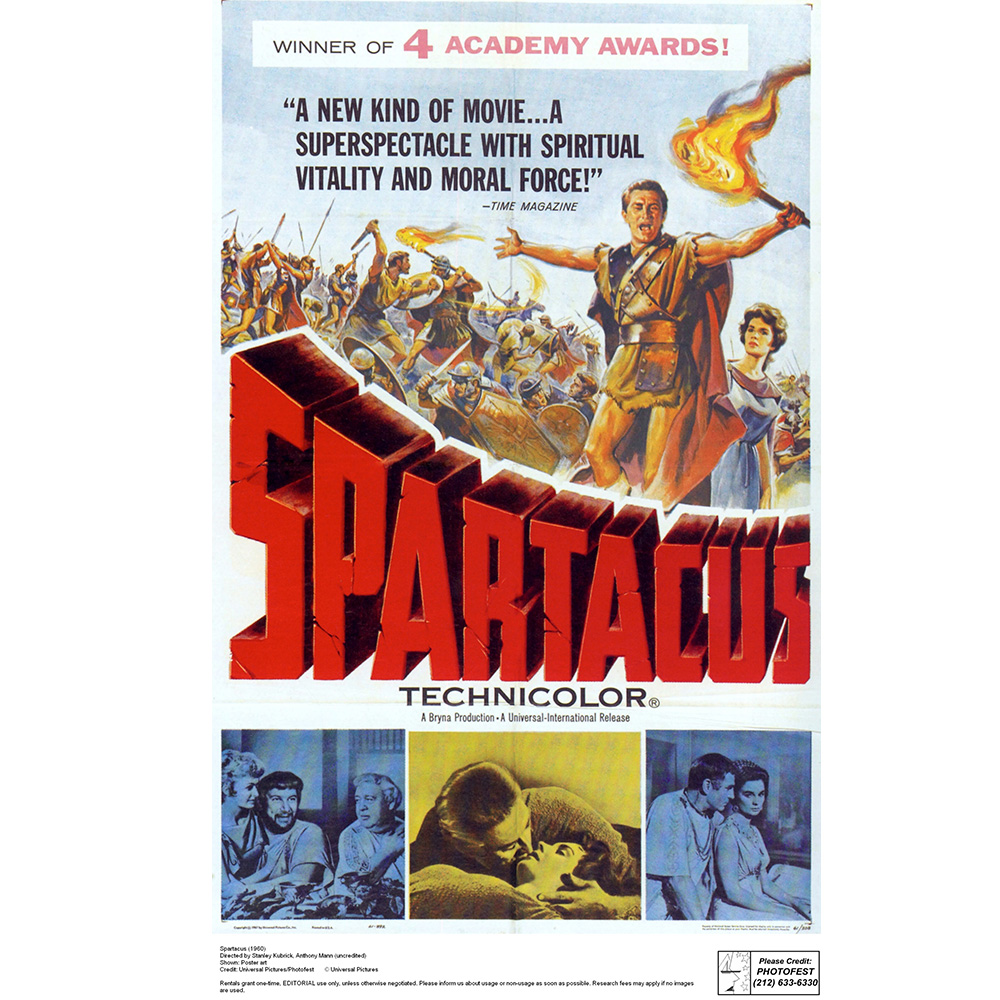
Courtesy of the Jewish Museum Milwaukee.
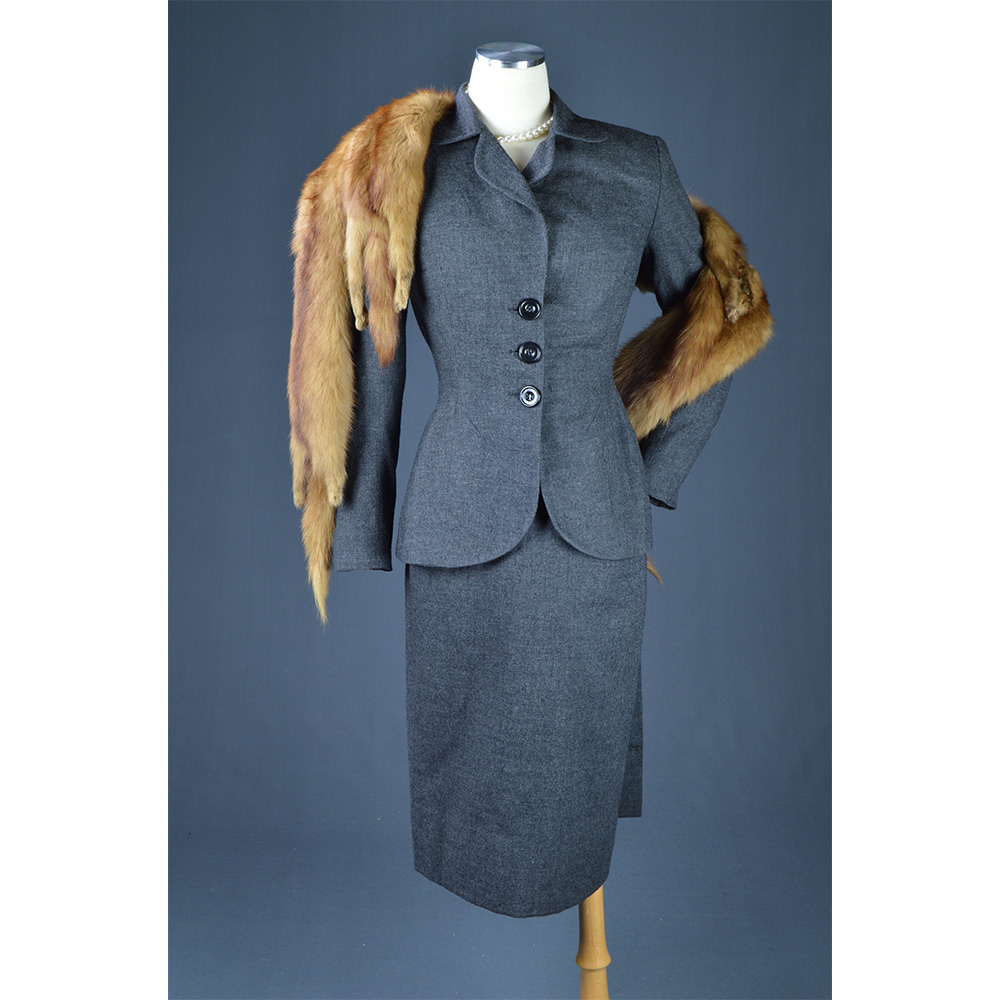
Lauren Bacall as Schatze Page in How to Marry a Millionaire (1953), Designed by William Travilla. Courtesy of Larry McQueen Film Costume Collection.
Illinois Holocaust Museum’s presentation of Blacklist: The Hollywood Red Scare is made possible with generous support from:
Presenting Sponsors
Supporting Sponsor

Contributing Sponsor
Anixter and Silva Family Foundation
Additional Funders
Golder Family Foundation